
To use or not to use AI
How as a scientist letting AI process your reading pile might keep you form learning

I few weeks back I went to a meeting discussing serendipity. Serendipity is an unplanned fortunate discovery. An often-given example of serendipity is the discovery of penicillin by Alexander Fleming.
The story goes that he left some petri dishes with bacteria cultures laying around, and when he went to clean them up, he noticed some mould growing on them that had killed the bacteria growing in its vicinity. Fleming recognised that the fungi must produce something that killed the bacteria and went on to discover penicillin. But for anyone without Fleming’s knowledge might have only recognised that the petri dishes were contaminated and nothing more.
For serendipity to occur a certain amount of background knowledge is required for recognising that what you found is maybe not what you were looking for but is still valuable.
What you might loose
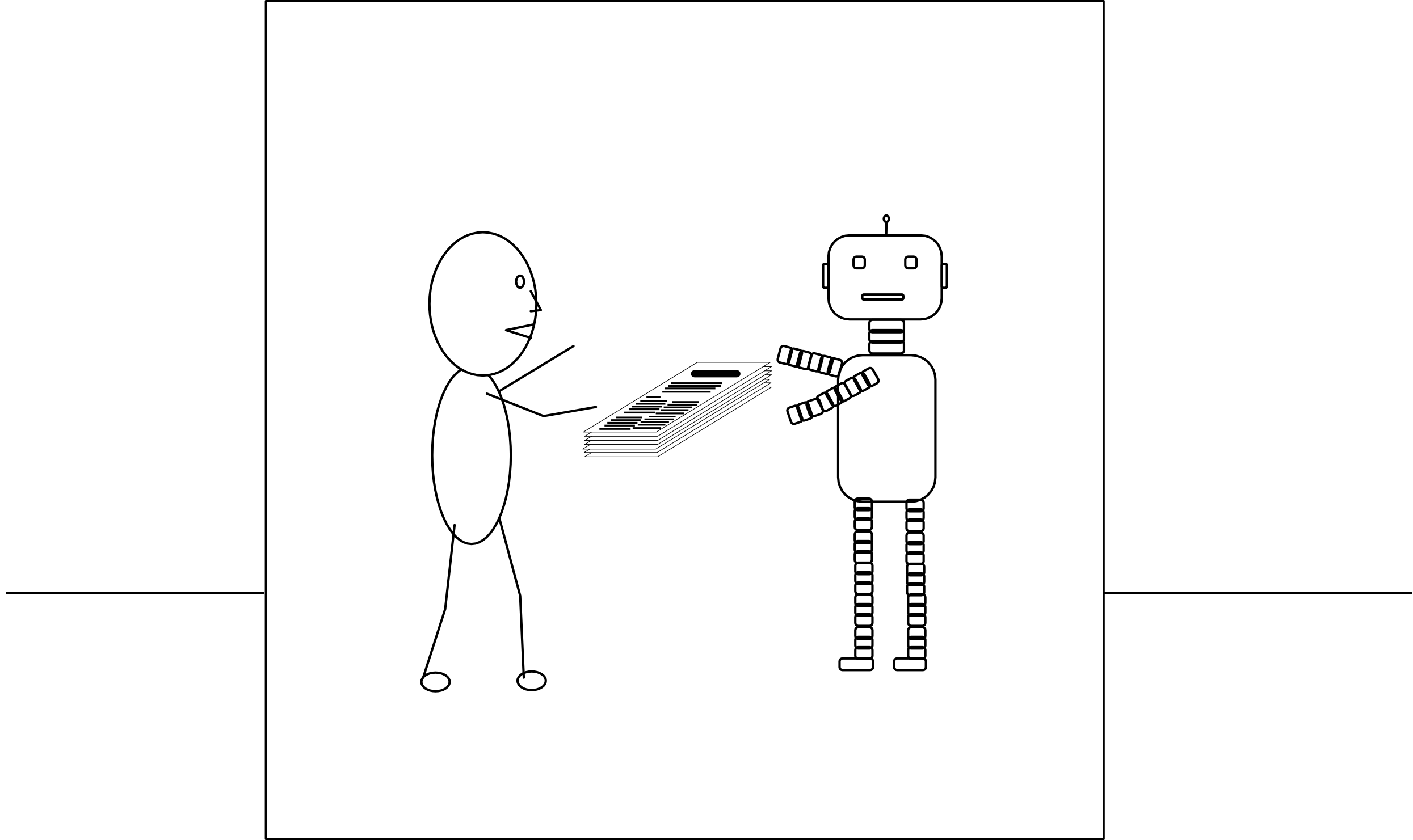
And that brings me to the topic of today’s post. The use of AI in science, and then especially for the use of processing the literature for you.
Recently I have come across post and messages telling me how you can use AI for processing the articles you want to read quicker. At first my first thoughts were “yuck, you will miss so much if you do that” and then did not think much more off it. Mostly as my focus is on showing you how to write better without AI, but not to berate you for using it. Afterall, that is your choice.
But then, on LinkedIn I came across a post from a senior scientist, who over the years reviewed many papers. She was complaining about the influence of AI on the quality of the papers nowadays, and not in a good way. The thing that stood out most of her post was that is made writers coming across as not knowing what they were talking about.
So far, this all felt, ok this is happening, and I think it is researchers are letting AI do the bulk of the reading and writing work for them, and hey, AI do make mistakes and so on. Put I could not really lay my finger on it.
That is till I read this post about learning from Anna Bohac’s newsletter New Academy. In this post the writer discusses how you learn so much better with spaced repetitions. That this is the trick for knowledge to stick.
Connecting the dots
And then it clicked, I had some backup for my gut feeling, that by letting AI do your reading you learn less, ending up with less background knowledge you otherwise would have.
To understand that we have to go back to the reason researchers read papers in the first place. And no that is no because you need them for your literature review, or for a perfect introduction or discussion section in your paper. The reason researchers read articles in the first place is to learn what others discover in their field of interest.
Yes, you hear that right, to learn.
That is, because they know they can’t all discover it themselves, there is simply not enough time. And because they know it might help them spot serendipitous results.
And while as a student you get the feeling that you are always behind, especially compared to your supervisor. That it is a slough to read those papers in the first place, with every other sentence coming across something unknown. The thing is, however, is that this is also how you learn. You look up those unknown bits, and the next time you come across them you can check if you got the meaning of them correct. And before you know it you read and understand those papers twice as fast.
This happens because you are also practicing spaced repetitions. As you don’t read all your papers in one setting, simply because this is humanly impossible. Therefore, each consecutive time you come across that novel concept or method some time has passed. And each time the context you come across that novel concept or method is slightly different. Both of which help with understanding that novel concept or method and retaining that understanding over time.
So yes, while letting AI process all those papers for you might feel like you are saving time writing that literature review, especially when you have been putting off reading those papers till the last moment. But in the end, you lose out as you don’t learn what you otherwise would have learned had you taken the slow approach.
That is not to say that you can’t use AI. You can. For example, for helping you find those papers on your niche topic. Or maybe giving you a quick layman’s summary so you know what to expect before you start reading, what can make the reading easier. Or by interrogating the paper with AI after you read it, so you can check if you got the meaning right.
But for learning there is unfortunately no quick way, only the slow one.
Prompt
As today’s post is all about learning, and doing it the slow way, for today’s prompt we are doing some spaced repetition learning.
Set your timer at 2 minutes and write down as many terms you come across but don’t know the exact meaning of. The spend some time looking up those meanings. Now write the term on one side of a card and the meaning on the other side. Then in 2, 5, 10, and 20 days’ time quiz yourself.
Happy writing
PS: let me know in the comments if you have any questions